
Best Places to Visit in Ethiopia
Ethiopia is the cradle of humanity and the home of unique tribes, ancient civilizations, incredible wildlife, dramatic mountains, and breathtaking landscapes. The country is vast in size — almost twice the size of Texas or comparable to France and Spain combined. Because of its size and diversity, it is difficult to experience all the top tourist attractions in one trip, and visiting most of the country’s highlights requires time.
The best places to visit in Ethiopia are among the most popular destinations on our travel itineraries and are consistently highly rated by travelers. Depending on your interests, the best destinations may vary. Whether you enjoy cultural experiences, trekking and hiking, wildlife safaris, or exploring historical sites, Ethiopia offers unforgettable adventures. We’ve compiled the best attractions and travel destinations you should experience in Ethiopia.
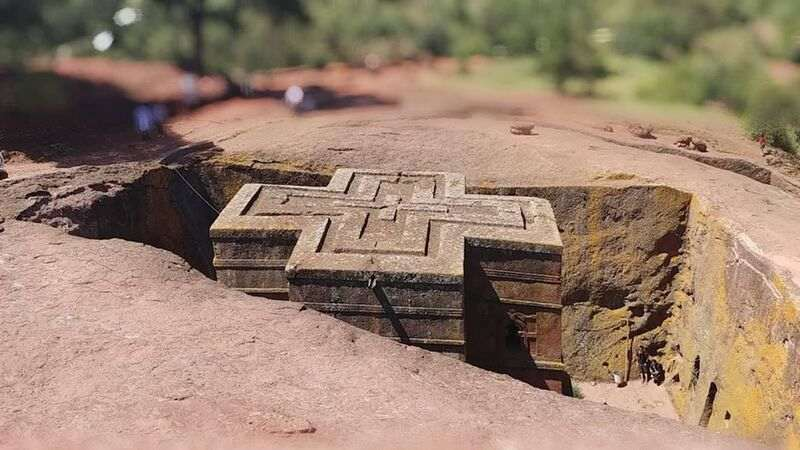
Lalibela
Lalibela, once the medieval capital of Ethiopia, is a UNESCO World Heritage Site located in the northern part of the country. It is the second holiest site of Ethiopian Christianity after Axum and the country’s most important place of pilgrimage and devotion.
Lalibela is famous among travelers for its eleven rock-hewn churches, carved from a single piece of stone. It can easily be visited with a 45-minute flight from Addis Ababa.
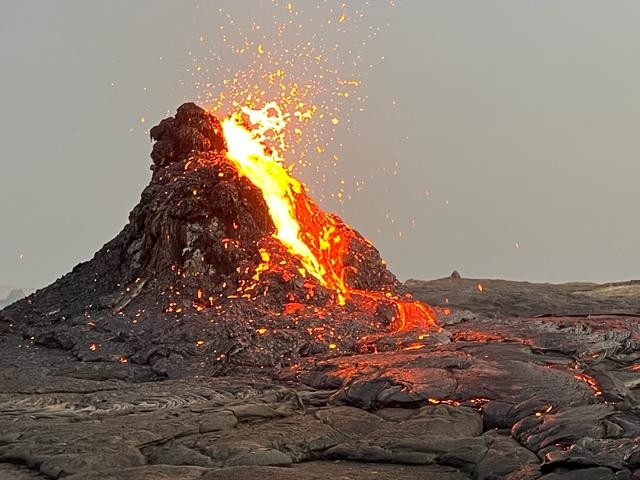
Danakil Depression and Erta Ale Volcano
Danakil Depression is famous for its alien-looking landscapes and is considered one of the most inhospitable places on Earth. For centuries, the Danakil Depression has been a source of salt bars for the Ethiopian highlands, transported by camel caravans across the desert.
Erta Ale Volcano is magical to witness, especially when the lava lake glows and bubbles inside the crater. The geological activity of the area creates unique landscapes, including vast salt deserts, colorful lakes, hot springs, and mineral deposits in shades of yellow, green, and orange. It is truly one of the most extraordinary places travelers should not miss in the world.
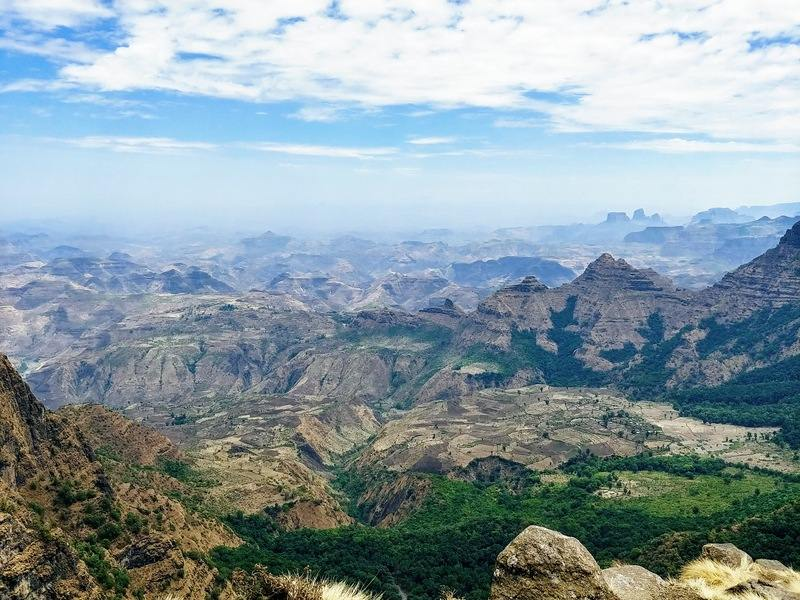
Simien Mountains
Simien Mountains National Park, home to Ethiopia’s highest peak, Ras Dashen (4,550 m), offers overwhelmingly beautiful landscapes. Formed by massive erosion over millions of years, the mountains feature jagged peaks, deep valleys, and dramatic cliffs dropping as much as 1,500 meters, alongside vast grasslands.
The mountains are the last refuge for several endemic and unique Ethiopian wildlife species and plants. For this reason, UNESCO registered the park as a World Natural Heritage Site. It is one of the most visited national parks in Ethiopia and offers spectacular day trips as well as multi-day trekking adventures.
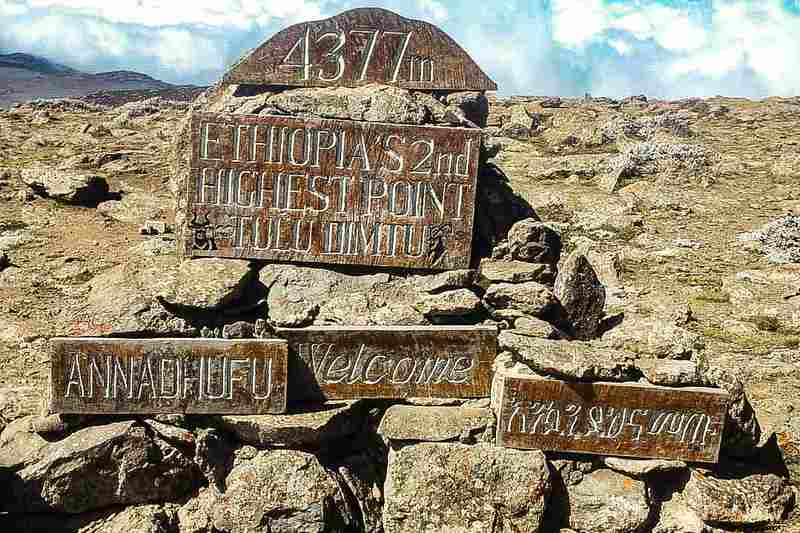
Bale Mountains
Bale Mountains National Park is more famous for its biodiversity and wildlife than any other national park in Ethiopia. It is home to endemic Ethiopian animals such as the Mountain Nyala, the rare Ethiopian wolf, Menelik’s bushbuck, and many species of birds. It also contains the largest Afro-alpine habitat in Africa.
The national park covers 2,400 square kilometers (1,488 square miles) and protects spectacular mountain scenery, deep gorges, alpine lakes, rushing streams, waterfalls, volcanic peaks, and dramatic valleys descending into the plains below. The highest road in Africa passes through the Sanetti Plateau, where travelers may spot the rare Ethiopian wolf. Bale Mountains can be visited on an overnight trip or a multi-day tour.
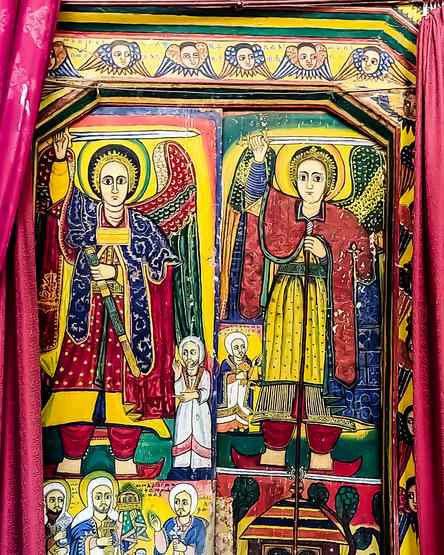
Lake Tana and Its Monasteries
Lake Tana is not only the largest lake in Ethiopia but also the source of the Blue Nile River, which contributes around 85% of the water of the Nile — the longest river in the world.
Besides its importance for birdwatching, fishing, and ecology, Lake Tana is home to some of the most important monasteries, churches, and Christian schools of the Ethiopian Orthodox Church. The area has great significance in Ethiopian history, reflected in its priceless treasures and beautiful wall paintings inside the churches. The monasteries can be visited by boat trips from Bahir Dar. Some monasteries are traditionally forbidden to women.
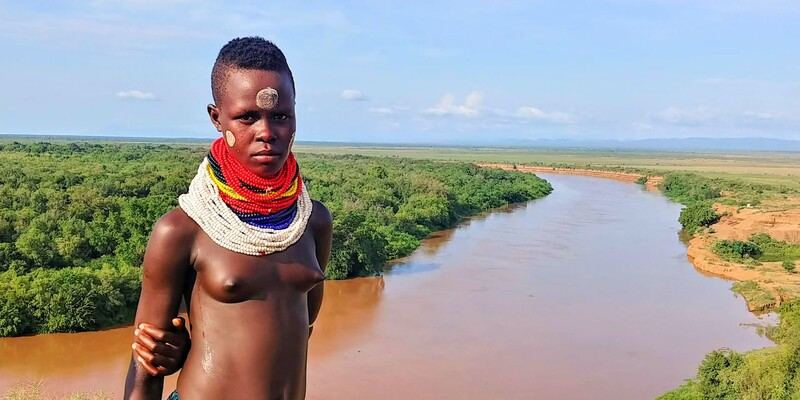
Omo Valley Tribes
Omo Valley is home to some of the last isolated tribes in the world, known for their ancient cultures, languages, customs, and lifestyles. Their daily life is closely connected to cattle.
To reflect social status and cultural identity, the tribes practice ritual ceremonies, body scarification, elaborate beadwork, necklaces, body painting, unique hairstyles, and rites of passage. Although outside influence is increasing, many communities continue to preserve their traditions and way of life. The Omo Valley can be visited on multi-day tours from Addis Ababa.
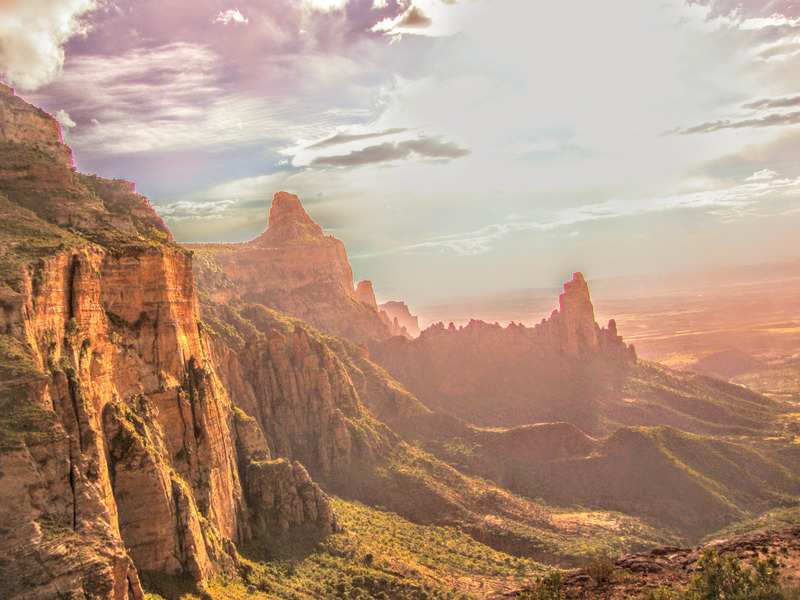
Gheralta Mountains
Gheralta Mountains offers amazingly beautiful scenery with unique combinations of geography, colors, and erosion-formed landscapes. Climbing the rocky cliffs using handholds carved into the sandstone is one of the best adventure experiences in Ethiopia.
Hidden on top of the dramatic cliffs are some of Ethiopia’s most inaccessible rock-hewn churches, dating back to the 4th century according to church history. Gheralta Mountains can be visited on day trips as well as multi-day trekking and cultural tours.
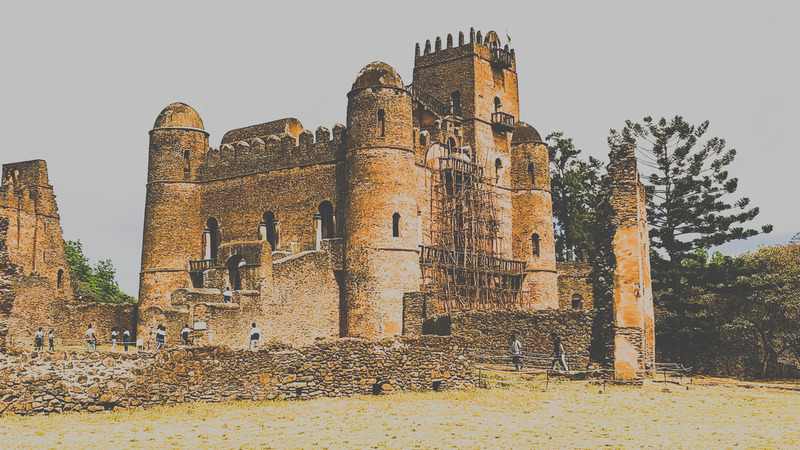
Gondar
Gondar was once the capital of the Ethiopian Empire from 1632 to 1855. The city is most famous for its castles and medieval churches built by a series of emperors inside the Royal Enclosure.
Nicknamed the “Camelot of Africa” because there are no similar castles in Sub-Saharan Africa, Gondar became an important commercial and cultural center of the Ethiopian Empire. The city’s rich cultural heritage is reflected in the beautiful murals inside its historic churches. The castles of Gondar can easily be explored on a city tour.
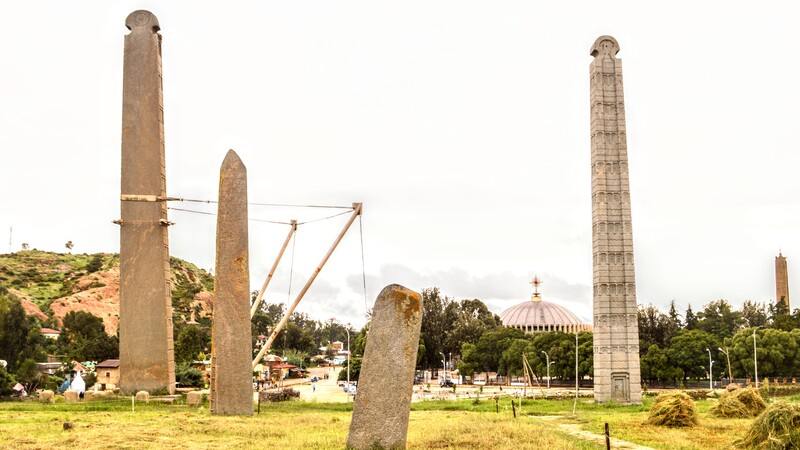
Axum
Axum is one of the most ancient cities of Ethiopian civilization. According to tradition, it is the birthplace of the Queen of Sheba, whose descendants ruled the country for centuries until 1974.
Axum was once considered one of the four great kingdoms of the ancient world. The living history of the Axumite Kingdom can be experienced through its famous stelae fields and obelisks — massive monuments carved and erected from single stones. The Queen of Sheba’s Bath, museums, and royal tombs also hold great archaeological importance.
Church of Our Lady Mary of Zion is believed to house the original Ark of the Covenant, considered the holiest object in the Bible. All of these attractions can be visited on a city tour of Axum.
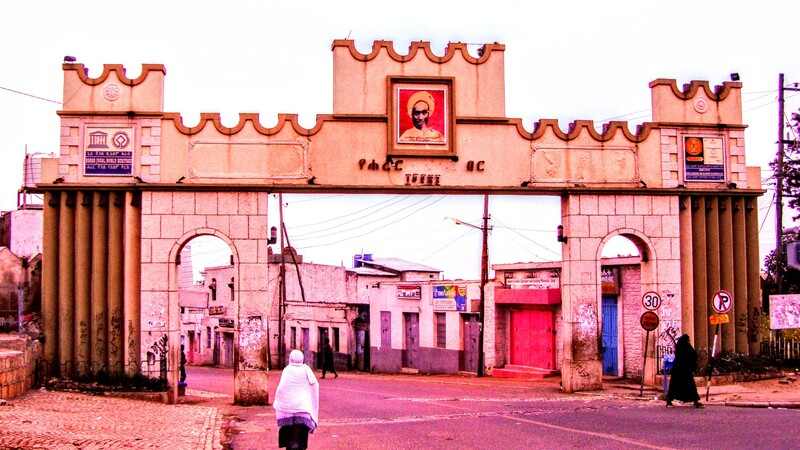
Harar
Harar is a historic walled city with five gates, built by Emir Nur in the 1560s. Its strategic location along important trade routes helped Harar become a wealthy commercial center and a major center of Islamic learning.
The old city contains around 99 mosques within just one square kilometer. Harar’s narrow alleyways, colorful houses, and sacred shrines attract many visitors. The city is also famous for its welcoming culture and the unique tradition of feeding wild hyenas. While a special hyena-feeding ceremony takes place annually during a religious holiday, visitors can also meet the famous “Hyena Man,” who feeds wild hyenas nightly in an open field. Tourists are often invited to participate in feeding the hyenas themselves.
Harar can easily be explored on a city tour.

Bahir Dar
Bahir Dar is located on the shores of Lake Tana at the outlet of the Blue Nile River. The city’s immense scenic beauty and rich natural and cultural heritage have made it the political capital of the Amhara Regional State.
The lake port serves as the starting point for boat trips to the monasteries on the islands of Lake Tana. Bahir Dar is considered one of the most beautiful cities in Ethiopia, with wide boulevards lined with palm trees and fresh air from the lake creating a relaxing atmosphere.
Only 30 km from Bahir Dar lies Blue Nile Falls, where the Blue Nile plunges dramatically into deep gorges before continuing its journey toward Sudan and Egypt. One day is enough to visit the main attractions of Bahir Dar and its surroundings.