
Lake Tana Monasteries – Ethiopia’s Ancient Island
Lake Tana is located in northwestern Ethiopia near the beautiful city of Bahir Dar in the Amhara Region. It is the largest lake in Ethiopia and the source of the famous Blue Nile River. Lake Tana is one of Ethiopia’s most important natural, historical, cultural, and religious destinations.
Lake Tana consists of about 34–41 islands and a peninsula. Dek Island is the largest island in the lake, while more than 27 medium and small islands are scattered across the water. Many of these islands contain ancient monasteries and churches surrounded by forests, traditional villages, and peaceful landscapes.
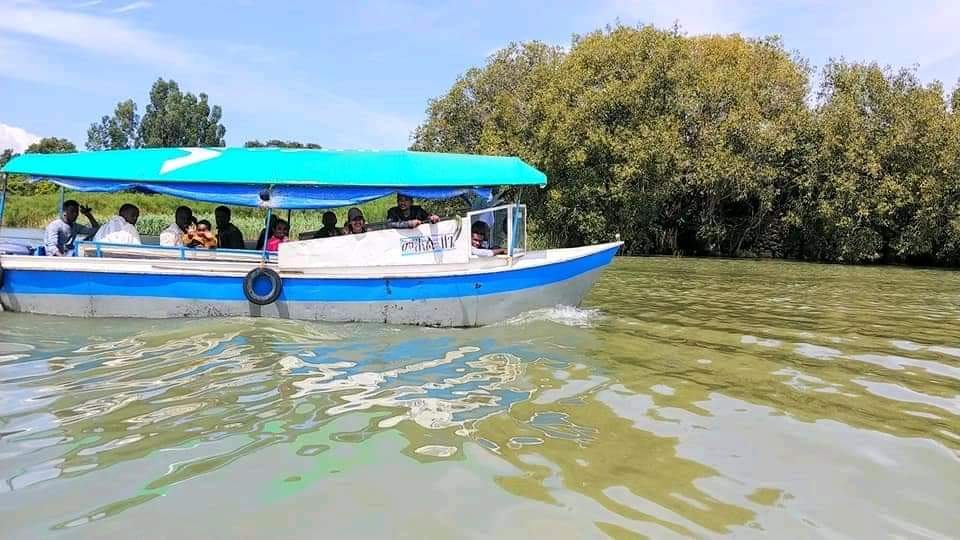
The monasteries of Lake Tana are famous for their Ethiopian Orthodox traditions, ancient manuscripts, crowns of emperors, mural paintings, and priceless religious treasures. Many monks and nuns still live in the monasteries and churches surrounding the islands, preserving centuries-old spiritual practices and religious traditions.
Historical and Cultural Importance
Lake Tana and its surrounding areas are rich in cultural and historical heritage. Historical buildings, monasteries, churches, and imperial tombs have existed around the lake since the 13th century. Since the Middle Ages, the lake and its environs have served as residences and burial places for Ethiopian kings and religious leaders.
The monasteries preserve valuable paintings and manuscripts written in Ge’ez, the ancient liturgical language of Ethiopia. The colorful mural paintings inside the churches show biblical stories, Ethiopian saints, kings, angels, and important religious scenes from the Bible. These monasteries are among the most important centers of Ethiopian Orthodox Christianity and traditional Ethiopian culture.
Among the most famous monasteries on Lake Tana are Ura Kidane Mihret, Kibran Gabriel Monastery, Azwa Maryam Monastery, Narga Selassie, Daga Estifanos Monastery, and Tana Qirqos Monastery. Tana Qirqos is considered one of the oldest monasteries in Ethiopia, and its ancient stone altar remains an important religious treasure today.
Boat Tours and Visitor Experience
Boat tours are required to explore the monasteries of Lake Tana. Visitors can travel by boat from Bahir Dar to different islands while enjoying beautiful scenery, birdlife, and views of traditional Ethiopian fishing boats.
Some monasteries are easily accessible, while others require short walks through forests and local villages. The visitor experience at Lake Tana combines history, spirituality, local culture, and natural beauty. The best time to visit Lake Tana is during the dry season from October to May, when the weather is pleasant and boat transport is more comfortable.
Threats and Conservation Challenges of The Monsteries
Despite their historical importance, the monasteries and churches of Lake Tana are highly vulnerable. Many of the buildings are very old and require urgent maintenance and conservation. High humidity around the lake has caused serious deterioration to ancient mural paintings and manuscripts. Flying insects and termites are also major causes of damage to both the buildings and their cultural heritage.
The lack of lightning protection in the area has caused repeated destruction to monasteries over the years. Many churches have also suffered from poor restoration practices and lack of professional conservation knowledge. Some monasteries, including parts of Tana Qirqos and Daga Estifanos Monastery, have been demolished and rebuilt using modern materials that differ from the original structures.
Traditional grass roofs have often been replaced with corrugated iron sheets and cement roofing. Original doors, windows, and decorative architectural elements have also been removed or replaced, reducing the authenticity and historical value of the monasteries. Some restoration work has been carried out by unskilled professionals, negatively affecting the heritage value of the buildings.
Improper electrical installations have caused additional damage to the monasteries. Nails placed in ancient walls and ceilings to support electrical wiring have damaged historic church paintings and structures. Religious fathers have also expressed concern that pesticides sprayed to control mosquitoes may have contributed to the deterioration of monastery paintings.
Examples of monasteries facing conservation and restoration problems include Gorgora Debre Sina Mariam and the ancient buildings of Narga Selassie. Many monasteries have not received proper maintenance for long periods due to limited funding and lack of conservation expertise.
Today, the monasteries of Lake Tana remain among Ethiopia’s greatest religious and cultural treasures. Protecting these ancient churches, manuscripts, mural paintings, and Ethiopian Orthodox traditions is essential for preserving Ethiopia’s unique historical heritage for future generations.