When is the Best Time to Go to Ethiopia?
The best time to travel to Ethiopia is just after the rainy season and is closely linked with Ethiopian cultural celebrations.
| Excellent | Good | Fair | Poor |
|---|---|---|---|
| October | February | June | July |
| November | March | September | August |
| December | April | ||
| January | May |
Table shows the best months to visit Ethiopia.
High Season
The prime tourist season in Ethiopia runs from the end of September to January. It is important to note that September marks the end of the rainy season, so occasional rains may still occur.
September to October
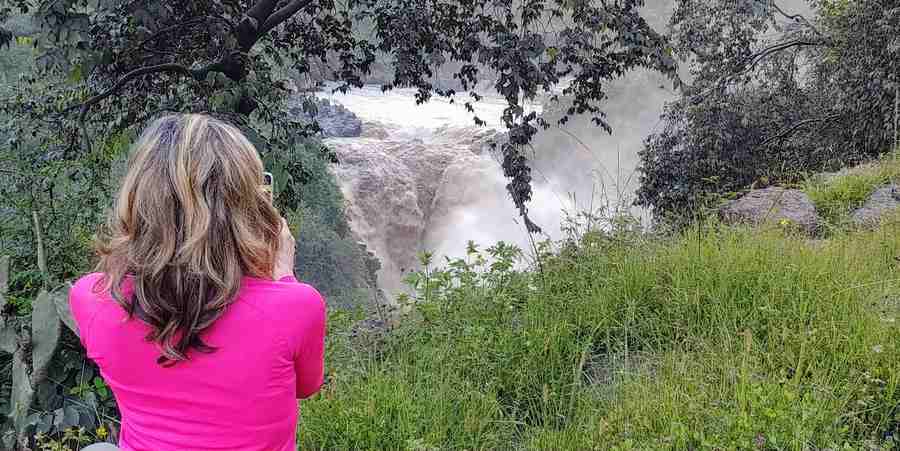
The end of September and early October mark one of the best times to visit Ethiopia. As the rain begins to stop and the weather warms, the land becomes lush and green. Waterfalls reach their peak beauty, and flowers bloom everywhere. This period coincides with the Ethiopian New Year and the Meskel Celebration.
In some areas, the number of tourists increases, and accommodation prices may rise. Around September 27, the Meskel Festival attracts many visitors. After this festival, tourists often travel to northern and southern regions of the country.
Tip: If you want to experience a colorful Ethiopian festival, this is the best time to visit.
- Meskel / The Finding of the True Cross: September 27–28 (September 28–29 on leap years).
Best place to celebrate: Addis Ababa.
November, December, and January
The period from November to January is another ideal time to visit Ethiopia. The rains usually stop, marking the beginning of the dry season.
After October, waterfalls still flow but gradually decrease, drying up by December. Farmers begin harvesting the fruits of their plantations, and landscapes display vibrant colors from different crops.
The weather is generally excellent. In mountainous areas, especially in the northern and central regions, the climate becomes cool and dry. The sun shines in clear skies, while nights are typically cold.
Tips: For the best cultural experience, try to align your travel with these celebrations:
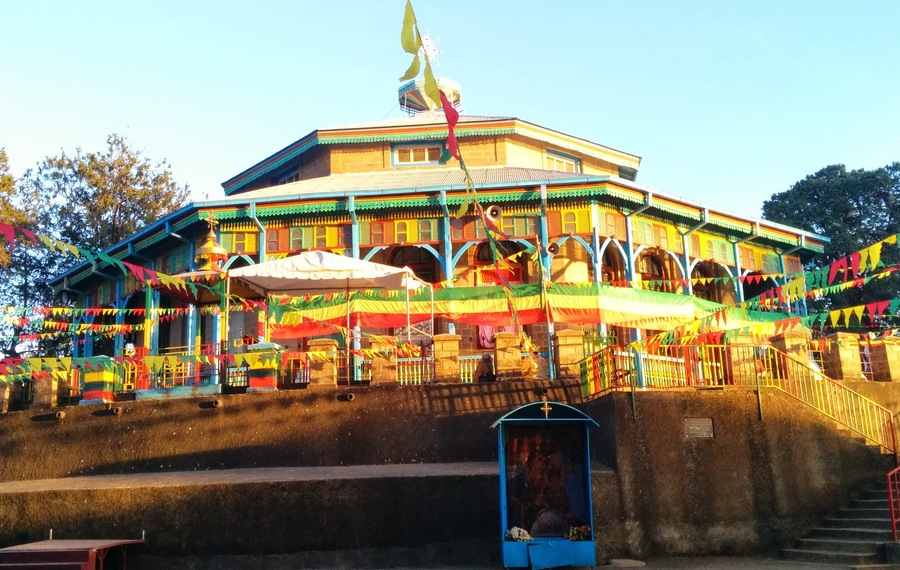
- Timket / Epiphany: January 18–19 (January 20 on leap years). Best celebrated in Gondar and Addis Ababa.
- Gena / Ethiopian Christmas: January 7 (January 8 on leap years). Best celebrated in Lalibela.
There are also pilgrimages and traditional celebrations not listed in guidebooks that can provide a unique experience. Let us know your travel dates, and we can help include them in your itinerary.
February to June – Mid-Season
The period between February and June is considered mid-season. During these months, there are fewer tourists compared to the high season. Accommodation prices are often lower, and good deals are available on tours and travel.
This period is mostly dry, with occasional irregular rains in March, April, or May.
The Best Time to Visit Different Parts of Ethiopia
Ethiopia is a large country with diverse ecosystems, from lowlands to highlands, north to south. Weather and rainfall patterns vary, so the best travel periods differ by region.
- Northern Historical Sites: Late September/early October to late February.
- Simien Mountains: Mid-October to early June.
- Bale Mountains: Mid-October to early June.
- Omo Valley (Southern Ethiopia): Year-round, best from June–September and December–March. Occasional rains from October–November.
- Danakil Depression & Erta Ale Volcano: Best visited from November through March during the cooler desert season.
Low Season – June to September
The main rainy season lasts from late June to September. July and August receive the most rainfall and are generally considered the wettest months in Ethiopia.
Rain usually falls in short, heavy intervals, which can disrupt hiking, especially in northern regions. Low visibility makes trekking less recommended during this period.
However, the rainy season has advantages:
- Fewer tourists mean better deals on accommodation and tours.
- Landscapes are lush and green.
- Waterfalls are at their most spectacular, with rivers flowing at full force.
During this time, careful planning and proper clothing allow travel in many regions. Southern Ethiopia, including the Omo Valley, experiences minimal rainfall and can be visited comfortably.