
Is it safe to travel to Ethiopia?
Is it safe to travel to Ethiopia? How safe is Ethiopia? Ethiopia is a very safe country. Serious and violent crimes are rare. As a country in Africa, Ethiopia is generally considered an unsafe destination. However, Ethiopian cities are safer than many big cities like London, New York, or Los Angeles. Violent crimes rarely occur in many parts of the country. Although Ethiopia remains a poor country, it has one of the fastest-growing economies in the world and accounts for around 10% of GDP growth.
Various regions of the country are rich in nature, culture, and history. The people also have strong communal relationships within society and strong religious beliefs. About 99% of Ethiopians believe religion has a major role in their lives. All this makes Ethiopia among the most hospitable countries in the world. Thousands of tourists visit the country each year without major incidents. It is also absolutely true that there are petty crimes that can lead to unpleasant experiences. However, if you take normal precautions and avoid certain areas that are not advisable to visit, traveling to Ethiopia is safe.
This useful travel safety information is intended to inform you and help you avoid unpleasant experiences, not to make you uncomfortable.
Travel advisories
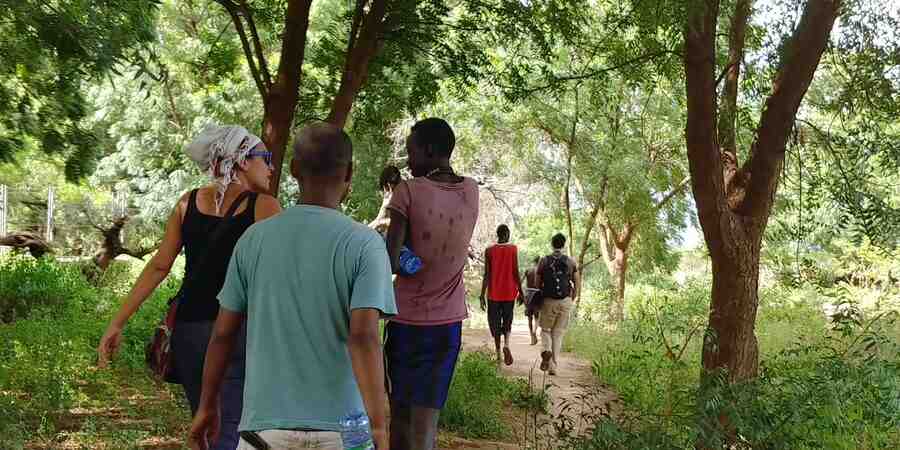
The US State Department has announced that, due to COVID-19, it is recommended to reconsider traveling to Ethiopia and to exercise more caution, as civil unrest and conflict continue, along with communication disruptions. Do not travel to high-risk areas, particularly the Tigray region and its bordering areas with northern Amhara and northern Afar regions, as well as border areas with Somalia, Kenya, Sudan, South Sudan, and Eritrea. The travel advisories of the British and Canadian governments have issued similar warnings to exercise caution while traveling to Ethiopia.
Northern and Central Conflict Zones
Amhara and Tigray Regions
There are ongoing tensions and periodic clashes in parts of the Amhara and Tigray regions. In Amhara, confrontations between federal forces and local militias, including Fano groups, have resulted in security concerns such as illegal roadblocks and occasional kidnappings. Road travel between key cities like Bahir Dar and Gondar can be risky.
In Tigray, although peace efforts have taken place, internal political tensions and sporadic clashes continue to affect stability. At times, this has led to disruptions, including the suspension of most civilian flights.
Western Oromia
Parts of Western Oromia remain unstable, particularly in West Wollega, East Wollega, Kellem Wollega, and Horo Gudru Wollega. These areas have experienced ongoing conflict between government forces and armed groups, making travel there unsafe.
Petty crimes
Petty crimes (pickpocketing, bag theft, and cell phone theft) can happen anywhere in the world. Tourists can become victims of these opportunistic crimes due to the assumption that they have a lot of money. These crimes mainly occur in markets, bus stations, taxi stands, tourist attractions, restaurants, nightclubs, and crowded places.
Our advice on minimizing the risk of theft:
- Do not expose jewelry, cash, valuable equipment (such as cameras), or mobile phones.
- In Addis Ababa, avoid groups of boys selling candy, gum, cigarettes, or magazines, or asking for help on the street. It is a common tactic to distract you. Please note that there are also honest people.
- If a crook spits on you, avoid him and leave quickly.
- If someone bumps into you, avoid body contact and leave quickly.
- Avoid talking with strangers.
- Beware of suspicious activity.
- Do not leave luggage in unattended cars, hotels, or restaurants.
- Use a hidden money belt or a secure neck or waist bag.
- Make sure your car doors and windows are locked.
- When using public transportation, pay attention to your surroundings.
- Take only what you need when you go out.
- Store your valuables in the hotel safe.
- Keep your passport, money, and credit cards in a safe place.
- Save copies of your passport and credit cards.
Going out at night safely
A trip to Ethiopia offers an exciting cultural experience, full of local food, drinks, and dancing. Going out with a trusted friend and being streetwise can make it a memorable experience. Please follow these precautions when going out at night:
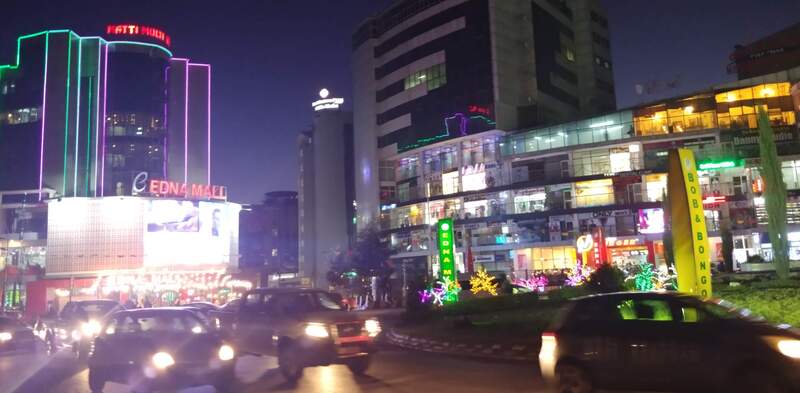
- Go out with friends or in groups.
- Do not accept drinks from strangers.
- Choose clubs with security guards and entrance checks.
- Use a taxi called by security staff.
- Avoid walking alone late at night.
- Know where you are and where you are going.
- Wear suitable clothing and shoes.
- Carry a torch/flashlight.
- Let someone know your location in case of emergency.
Road safety and getting around
The safest and easiest way to travel in Ethiopia is by flying or using a private car. Ethiopian Airlines is the only domestic airline and is considered one of the safest in Africa, operating flights to most tourist destinations. Public transport is generally safe with patience at bus stations. Renting and driving a car yourself can be difficult. Hitchhiking is rare. Avoid night driving due to poor visibility, fast-moving trucks, lack of street lighting, difficult road conditions, roadblocks, and occasional robbery.
Although roads still need improvement, infrastructure has improved over the past 20 years. Driving during the day is relatively safe, but night driving is dangerous due to poor visibility, road conditions, animals, pedestrians, and potential crime.
Street lighting is limited in many areas. While drivers are experienced, traffic rules are often not followed, and speeding is common. Pedestrians, livestock, and unroadworthy vehicles contribute to accidents.
Traffic law enforcement remains inconsistent. In case of accidents, emergency response may be delayed due to distance from medical centers, so local residents and drivers often provide first assistance.
Civil unrest
Ethiopia has experienced significant protests since November 2015 due to political issues. Demonstrations can occur without warning. While many protests are peaceful, violence may occur. Avoid demonstrations and stay informed through embassy alerts and local media. Work with local tour operators for up-to-date information.
Scams
Organized scams are rare, but some exist:
- Do not pay for bus tickets before boarding.
- Do not give money to strangers to buy tickets.
- Avoid trusting strangers on the street.
- Do not buy antiques, as many are fake and may cause airport issues.
- Avoid “special holiday” invitations involving khat and drinks, as these may be scams.
- Remain neutral on political, ethnic, or religious matters.
Places to avoid
Do not hike alone in rural areas. Travel during the day and use local guides. Avoid protests and border areas with Kenya, Somalia, Sudan, Eritrea, and Djibouti due to conflicts. Avoid the Tigray region and nearby areas due to ongoing conflict.
Ethiopia is a peaceful and great country to travel to. These are practical safety tips to help you avoid difficulties.
Medical emergencies
Medical facilities have improved, but limitations remain. Healthcare is divided into public and private sectors, with better services in Addis Ababa. Travelers should bring necessary medications and prescriptions. Emergency services are limited outside major cities. Medical evacuation insurance is strongly recommended.
Recommended medical facilities in Addis Ababa
Korean Hospital (MCM), Gerji
Tel: 011 6295421 / 22 / 23 / 24 / 25 / 26 / 27
St. Gabriel Hospital, 22 Mazoria Road
Tel: 011 661 3022 / 011 661 3622
Yared Hospital, CMC Road near Megenagna Square
Tel: 011 645 4697 / 04
International Cardiovascular Hospital, near Gotera
Tel: 011 442 4680 / 81
Hayat Hospital, Bole near Toyota dealer
Tel: 011 662 4488 / 011 661 4250
Landmark Hospital, near Mexico Square
Tel: 011 552 5463
Addis Specialized Cardiac Hospital, Bole
Tel: 011 618 0709 / 011 663 4720
Safety for LGBTQ+ travelers
Ethiopia is a conservative society where same-sex relationships are not widely accepted and may lead to legal consequences. LGBTQ+ travelers are advised to avoid public displays and remain cautious, especially in rural areas.