
After working in the travel industry for many years, it is easy to understand that organizing payment methods is an important part of travel planning.
When you want to visit a new country like Ethiopia, booking your plane tickets, hotels, excursions, and activities is truly exciting. Most importantly, you don’t have to worry about these initial payments because everything is stipulated in your agreement. However, when it comes to paying for daily expenses (like taking a taxi or eating at a restaurant), other factors come into play, such as which currencies are accepted and whether a credit card is the best option or if you should make a withdrawal at an ATM.
What currency should I bring to Ethiopia?
In Ethiopia, cash is still king. It is the most reliable way to make immediate payments, and the local currency, the Birr (ETB), is the most widely accepted. No bank in your home country is likely to provide you with Ethiopian Birr. The best currencies to bring are the US Dollar, Euro, and Pound Sterling, as these can be easily exchanged at any bank in Ethiopia.
Unless your home currency is USD, EUR, or GBP, you may end up paying more due to “double exchange.” This happens because you would first need to exchange your home currency for one of the major currencies and then exchange that for Birr.
When you arrive at the airport, you can exchange enough money to take a taxi to your hotel. A few banks have branches within the airport, including in the customs hall, allowing you to change money before you leave the terminal.
There is no practical reason to wait and exchange money outside of the airport. Unlike many countries where airport exchange rates are poor, the bank exchange rate in Ethiopia is fixed by the central bank and is the same across all branches. This means the rate you get at the airport is equal to what you would find at a bank in the city.
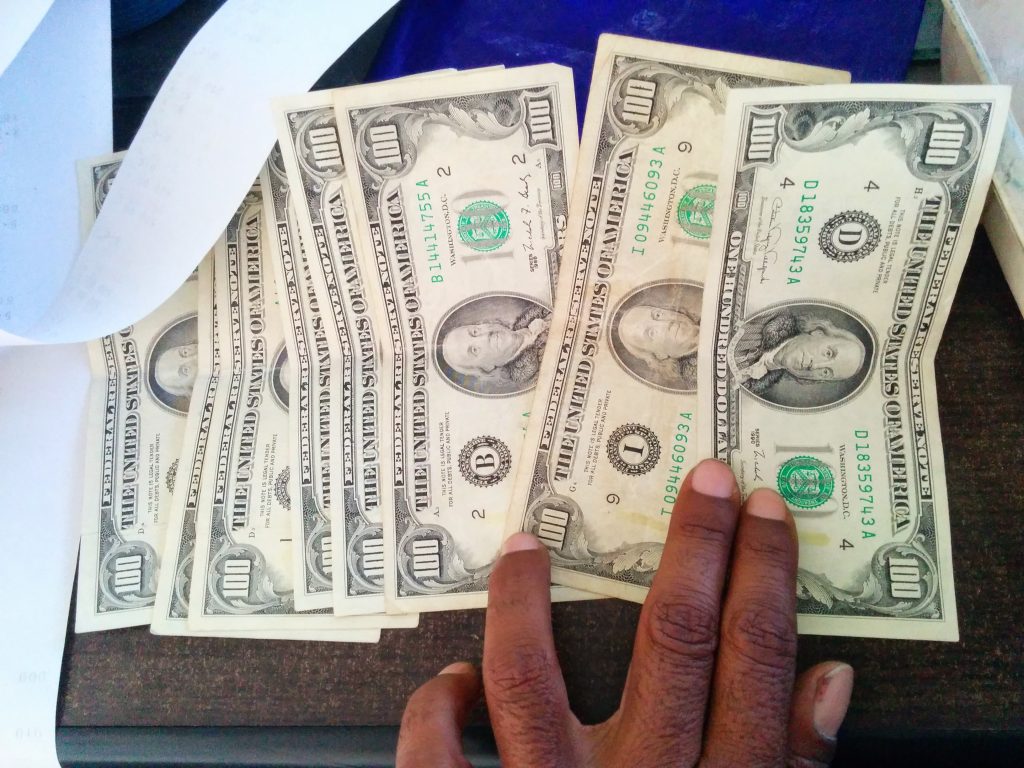
While Ethiopian Birr is the preferred currency, you can occasionally make payments in USD, EUR, or GBP at certain international hotels and tourist service areas. Small service providers like tour guides, taxi drivers, and souvenir shops might also accept foreign currency, but it is always best to have local currency on hand.
The local Currency of Ethiopia
The Birr (ETB) is the official currency of Ethiopia. Once you have converted your money into Birr, it is very difficult to convert it back into foreign currency. Previously, it was possible at Dashen Bank by showing your original exchange slip, but due to foreign currency shortages, this has become almost impossible.
It is best to change only what you need. Do not risk losing value on leftover cash. While black markets exist, they are not recommended due to high risks and legal concerns.
Currency Code: ETB
Name: Birr
Coins: 1, 5, 10, 25, 50 cents and 1 Birr
Banknotes: 5, 10, 50, 100, and 200 ETB
Sub-units: 1, 5, 10, 25, and 50 Santim (cents)
Can you pay by card in Ethiopia?
Ethiopia has a cash-based economy. Even in large cities like Addis Ababa, many gas stations, restaurants, and small shops only accept cash.
While credit card usage is increasing, it is generally limited to international hotels, large supermarkets, high-end restaurants, airlines, and specific large shops. It is recommended to bring a credit or debit card but always maintain a cash backup when traveling across the country.
Current exchange rates for selected foreign currencies.
Exchange rates in Ethiopia are fixed by the central bank, so rates are consistent from bank to bank. Banks typically do not charge exchange fees or commissions on cash. However, ATMs usually charge small withdrawal fees, in addition to whatever fees your home bank may apply.
Choose Ethiopian Money ETB or Ethiopian Birr
If you have leftover Birr, it is hard to use outside of the country. Estimate your needs carefully. If you do have leftover currency, consider buying locally made handicrafts to support local industries or using it for tips.
Automated Teller Machines (ATMs) are handy for withdrawing money without a bank teller and are often safer than carrying a large amount of cash.
Where to find ATMs: ATMs are available in cities and major towns, typically located outside bank branches, in hotels, supermarkets, shopping malls, and government buildings. They are rarely available in smaller villages or rural areas.
Reliability: ATM reliability can be poor. Issues like poor internet connectivity, power outages, or machines running out of cash are common. If an ATM doesn’t work, look for another location and always ensure you have enough cash on hand as a contingency.
Accepted Cards: Visa and Mastercard are the most widely accepted. UnionPay and American Express can typically only be used at Dashen Bank ATMs. Outside of major cities, you can only withdraw money in local currency (ETB), not in foreign denominations.
Recommendations: Use credit cards as a backup for large expenses (hotels, high-end dining). To save on transaction fees, try to withdraw the maximum amount allowed in one go rather than making frequent small withdrawals.
Important Note: Before traveling to Ethiopia, notify your bank or credit card company of your travel dates. This prevents your card from being flagged for fraud or declined during your trip.